
Network Slicing
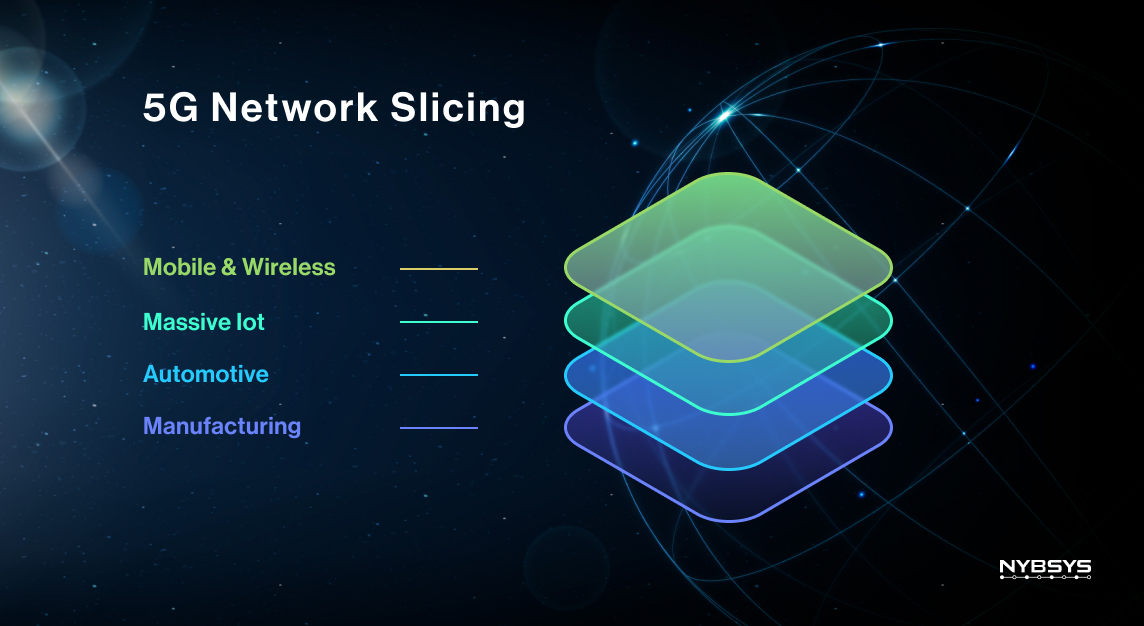
Network slicing is a concept in telecommunications, particularly relevant to 5G networks, that allows multiple virtual networks to be created on a single physical network infrastructure. Each "slice" operates independently and is tailored to meet specific requirements for different applications, services, or user groups. Key Features of Network ...
- Published date: 08-10-2024 12:00 AM
Read More
Network slicing is a concept in telecommunications, particularly relevant to 5G networks, that allows multiple virtual networks to be created on a single physical network infrastructure. Each "slice" operates independently and is tailored to meet specific requirements for different applications, services, or user groups.
Key Features of Network Slicing
1. Virtualization: Each network slice is a separate, virtualized segment of the network, capable of running its own services, applications, and protocols.
2. Customization: Slices can be customized to meet the unique performance and quality requirements of various use cases, such as IoT, enhanced mobile broadband, ultra-reliable low-latency communications (URLLC), or massive machine-type communications (mMTC).
3. Resource Allocation: Network slicing allows for dynamic allocation of network resources (bandwidth, processing power, etc.) based on the needs of each slice, optimizing overall network efficiency.
4. Independence: Slices are isolated from one another, meaning issues in one slice do not affect the performance of others. This enhances reliability and security.
Network Slicing
Want to join the conversation?